 Written by Justin Park| 12/22/2025
Anyone who lives or hunts in wolf country understands that wolves in the United States are no longer “endangered.” At least in the classic understanding of the word.
With thousands of wolves living in Northern states from Washington to Wisconsin, they’re hardly facing the peril of the boreal toad, but they’re legally considered an “endangered” species with exceptions for some states.
On December 18, the House passed the Pet and Livestock Protection Act, a straightforward bill that would permanently remove wolves from the Endangered Species Act list which puts federal prohibitions on hunting and state management for the gray wolf.
The gray wolf has jumped on and off the endangered species list several times since 2007, but H.R. 845 includes a clause that would prevent the endless judicial appeals that have yo-yoed wolves' status over the past two decades.
What’s Next for H.R. 845?
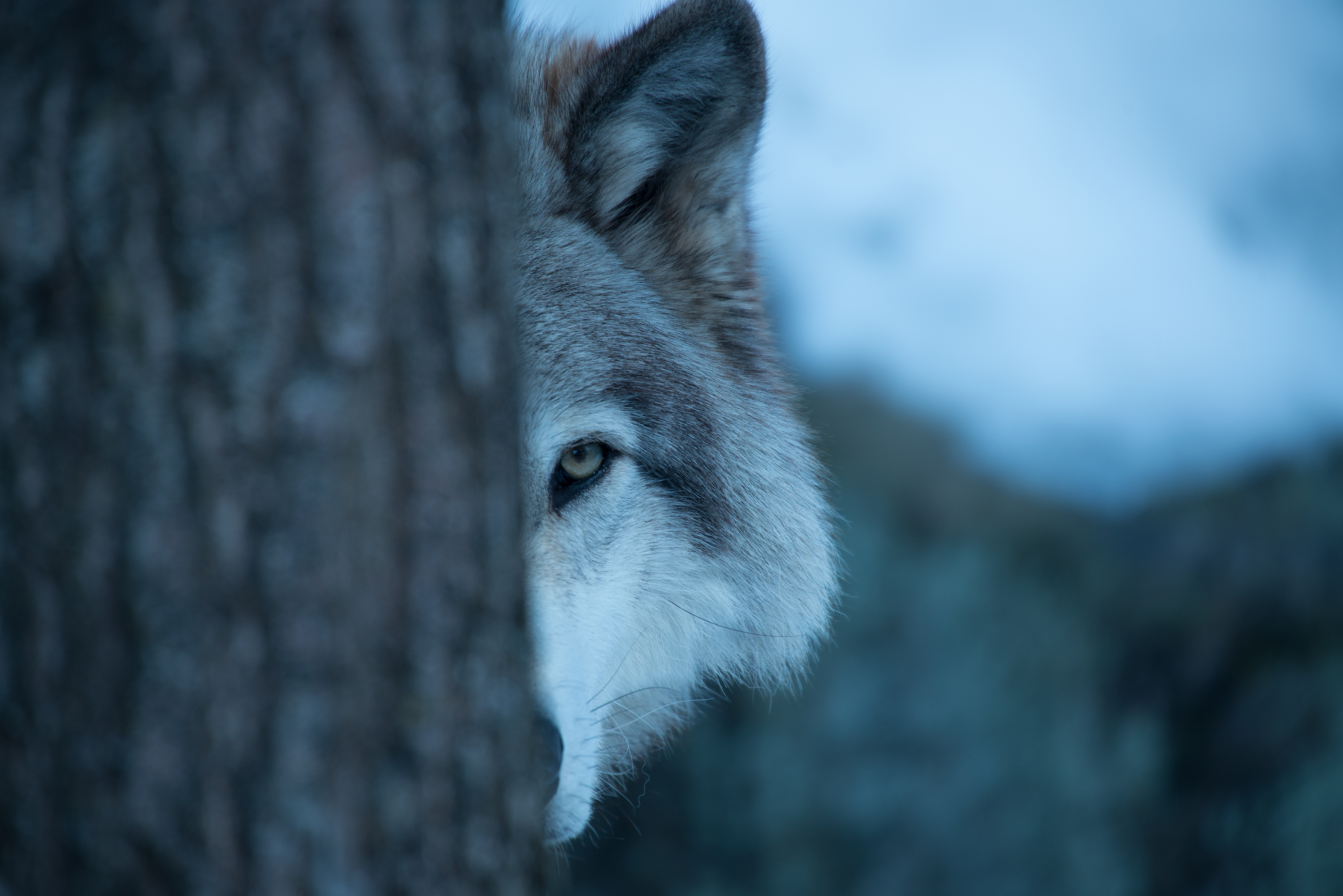
Elusive and evocative, wolves illicit strong emotions on both ends of the debate
Sportsmen's groups have lauded the passage, as most conservation groups with a hunting bent have long argued that wolves have recovered per ESA guidelines and should be managed like any other common predator species: on a state-by-state basis by wildlife biologists.
“We salute House membership for agreeing with scientists and wildlife management professionals that wolf populations are stable and growing and should return to state management,” said Blake Henning, Rocky Mountain Elk Foundation chief conservation officer.
He continued, “the U.S. Fish and Wildlife Service delisted wolves in the Lower 48 states twice in the last decade and a half – during the Obama administration in 2011 and the Trump administration in 2020. Both times, judges intervened to invalidate the process.”

The discourse on wolves has been in state and federal government debate for decades
Environmental groups, however, are gearing up to fight the passage of the bill in the Senate, where Republicans likely to support the bill hold a majority but would need 60 votes to overcome a filibuster. There is a 53-47 Republican majority in the Senate, so the bill will require some support across party lines.
For their part, environmental groups such as Humane World for Animals and Defenders of Wildlife claim that delisting and state management would mean disaster for wolves, claiming wolves should exist outside of the normal wildlife management framework.
“There are no scientific justifications for killing wolves. Wolves play a key role in keeping nature in balance,” claims Humane World for Animals CEO Kitty Block in an article decrying the House bill passage.
Broader ESA Reforms Possible
While wolves grab all the headlines, a potentially more far-reaching ESA reform bill was advanced for consideration by the House Committee on Natural Resources the day before H.R. 845’s passage last week.
According to the Sportsmen’s Alliance, the ESA Amendments Act of 2025 “creates a backstop against frivolous litigation, streamlines the ESA permitting process, provides incentives for recovery of listed species, promotes agency accountability, amends and adds clarity to statutory definitions, and focuses on species recovery.”
The Act, first proposed in March 2025, proposes substantial revisions to the ESA of 1973, which has helped recover species such as bald eagles and humpback whales. Sponsors of the bill say reform is needed because environmental activist litigants have weaponized the ESA, most prominently in the case of wolves, to try and keep species on the ESA list permanently despite population recovery.
Justin Park is a Colorado-based writer, editor, and avid hunter with a passion for the outdoors. He contributes to leading publications such as GearJunkie, Popular Mechanics, Powder, and Men's Journal, and serves as Editor of Wild Snow. Park is deeply involved in conservation and recreation advocacy, serving as Chapter Chair of the Rocky Mountain Elk Foundation (RMEF) in Summit County. He also represents RMEF on a state recreation committee focused on proactively addressing land use conflicts.